Another cognitive sign of being drunk is confusion and disorientation. Alcohol can disrupt the normal functioning of the brain, leading to a state of mental confusion. Being high and being alcoholism treatment drunk can have varying emotional effects on individuals. When someone is high, they may experience a range of emotions, including euphoria, relaxation, and heightened sensitivity.
Differences Between Being Drunk vs. Tipsy
The amount of alcohol consumed is not the only factor in determining BAC. At a BAC level of 0.45 or greater, severe damage is sustained to the internal organ systems. For example, a BAC of 0.05 means that the person’s blood is 0.05% alcohol. But food coma is ten times as worse than usual because you are wasted. The cabbie wakes you up and you stumble up your stairs and into your bed, destroying everything in your path. You think, “wow, I’m actually a super good dancer”, and you continue to dance while spilling the drinks of everyone within arm’s reach.
If you or someone you know is struggling with alcoholism, there are a number of resources available to help you get the treatment you need. Individual differences such as genetics, mental health, and tolerance levels can significantly influence how alcohol affects a person. Recognizing alcohol-related behavioral and emotional effects involves observing key changes in behavior, mood, and cognition relative to recent drinking episodes. For example, a person may exhibit increased talkativeness, inappropriate behavior, or difficulty focusing.

How can I build healthier drinking habits?
Both high and drunk states can significantly affect behavior, decision-making, social perception, judgment, and peer interactions. When comparing the effects of being high and being drunk, it’s important to consider the impact on relationships. Both what does being drunk feel like states can significantly influence how individuals communicate and interact with others, as well as affect emotional dynamics, trust, and intimacy.
Speak to addiction Specialist 100% Free and Confidential
Alcohol impairs coordination, balance, and judgment, increasing the risk of injuries. Alcohol irritates the stomach lining and increases stomach acid production, leading to nausea and vomiting. This is a common side effect of excessive drinking and can cause embarrassment, discomfort, and potential health risks if not managed properly. Other factors that affect how drunk you feel include weight, sex, and age. The less body tissue you have, the more and faster you will feel the effects of alcohol.
Additionally, it is important to stay hydrated, eat a balanced diet, and get plenty of rest. These include herbal supplements, such as kava, kratom, https://ecosoberhouse.com/ and valerian root, as well as certain types of teas, such as chamomile and passionflower. Additionally, certain types of music, yoga, and massage therapy may be used to relax and reduce stress. Consumption of alcohol has further extensive significance since it is drunk by many people; however, marijuana is the most harmful when it comes to its direct influence on the brain. It is very tough to decide whether alcohol or marijuana harms health.
Follow us on social media
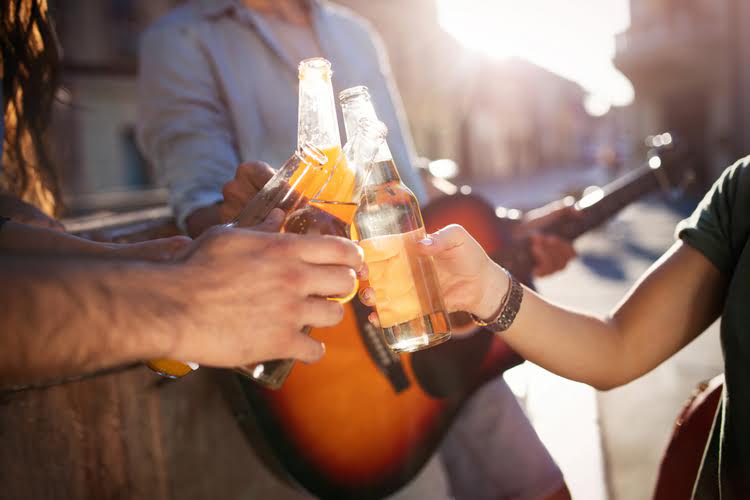
The physical signs of being high and being drunk can differ, but there are some similarities. When someone is high on cannabis, they may experience dilated pupils, impaired coordination, bloodshot eyes, and dry lips. Conversely, someone who is drunk may exhibit constricted pupils, impaired coordination, bloodshot eyes, and slurred speech. These physical signs can be indicators of intoxication and may vary depending on the individual and the substances consumed.
- Blood alcohol content (BAC) is the unit used to measure the amount of alcohol in a person’s bloodstream.
- Excessive alcohol consumption can have detrimental effects on the digestive system.
- While under the influence, individuals may experience changes in mood, behavior, and communication patterns that can affect their relationships with others.
- ” Although we’ve popped the top off the theory of “wine drunk,” there may actually be a difference between a regular hangover and one you get from drinking wine.
- Create a safe environment, manage symptoms, and seek professional help to ensure a safe and successful recovery.
Understand the Risks and Get Help
If alcohol is consumed in large enough quantities, or for long periods of time, those initial feel-good responses powerfully trigger feelings of pleasure and reward. This profound activation of the reward system can dramatically increase the desire for alcohol, progressively leading to dependence and, ultimately, addiction. The brain’s reward center is also activated when users drink to minimize the negative, painful effects of withdrawal, reinforcing the cycle.
Finding Accredited Heroin Rehab Centers To Help You Get Clean
These impairments include executive function, attention, verbal recall, and working memory. Co-users also exhibit lower white matter integrity, greater cortical thickness, and greater gray matter surface area compared to minimal-substance using controls. The immediate effects of being drunk and being high can vary from person to person. While some individuals may find similarities in the sensations experienced, others may describe them as distinctly different. The intensity of these effects depends on factors such as the amount of substance consumed and individual reactions. Understanding the differences between alcohol intoxication and marijuana intoxication can help individuals make informed decisions and better navigate situations involving these substances.
The compounds in cannabis can alter brain chemistry, heighten sensitivity, and affect emotions and mood. Being drunk, on the other hand, can lead to impaired judgment, slower reaction times, emotional disturbances, and a general sense of disinhibition. Alcohol’s impact on the central nervous system can result in these mental signs 6. Regular heavy drinking can also contribute to the development of alcohol dependence and addiction. The experience of being drunk can be categorized into several stages, each with distinct emotional and physical effects.
Understanding these stages can illuminate how does it feel to be drunk at various levels of intoxication. Everyone is affected differently by alcohol, with some individuals experiencing the effects more rapidly or intensely than others. A complex interplay of factors influences a person’s state of mind and physical sensations while drinking.