Category Archives: Bookkeeping

Demystifying Nonprofit Financial Statements: Complete Guide

what is the statement of activities for a nonprofit

First, it helps nonprofit leaders make informed strategic decisions by showing where funds are coming from and how they are being spent. Second, it allows nonprofits to demonstrate their financial accountability and efficiency to donors, granting organizations, and other stakeholders. Effective use of this statement can thus not only support operational and strategic management but also enhance fundraising efforts by reinforcing the credibility of the organization.

  • Separate columns classify revenue based on whether it is restricted or unrestricted.
  • You can identify trends, assess the effectiveness of revenue sources, and make informed projections for future periods.
  • Donors often look at these statements to evaluate the organization’s financial stability and effectiveness in achieving its mission.
  • This statement records all revenues, gains, expenses, and losses, reflecting the changes in net assets as a result of operational activities.
  • Even if your organization shows a surplus in its statement of activities, a negative cash flow could indicate potential liquidity problems.
  • A statement of activities will show your nonprofit organization’s revenue and expenses over a specific reporting period.

Best Practices for Nonprofit Financial Statements

what is the statement of activities for a nonprofit

The following three nonprofits have included financial statements in different ways. Sharing these financial statements with donors is one of the best ways to ensure transparency and build trust. MIP Accounting® allows you to easily generate a statement of expense with its 130-plus pre-built reports and custom report-builder. Show your organization is on track to accomplish its mission, and that it handles donor funds responsibly.

what is the statement of activities for a nonprofit

Revenue

  • However, to stay compliant and transparent, a nonprofit must assign appropriate attention to the organization’s financial records.
  • It is important to see the distinction between restricted and unrestricted as only unrestricted revenue can be used to pay bills.
  • To effectively implement accounting policies, nonprofit organizations should establish internal controls and procedures.
  • To decide which basis is right for your organization, learn more about cash basis vs accrual basis accounting in nonprofits.

In addition to these statements, nonprofit financial reporting may also include notes to the financial statements. These notes provide additional information and explanations about specific items in the financial statements, significant accounting policies, and other disclosures. Their expenses prioritize program services as part of their mission, followed by supporting services such as fundraising and indirect costs. The expenses, revenues, and changes in net assets help the management achieve important objectives.

  • Financial management systems built for nonprofits not only automate the reconciliation process but also provide detailed tracking and reporting capabilities for restricted fund management.
  • In this way, the same “natural” expense – postage – can be split between three different “functional” categories, depending on its intended purpose.
  • The Statement of Activities is similar to an income statement in the for-profit world and helps nonprofits track their financial performance over a specific period, typically a fiscal year.
  • When in doubt, please consult your lawyer tax, or compliance professional for counsel.
  • Net assets with donor restrictions are usually never below zero, although special reporting may apply to an “underwater ” endowment balance (topic not covered here).
  • We can handle your bookkeeping and accounting to deliver accurate financial statements every month that let you know which money you can spend, for which purpose, and when you can spend it.

Nonprofit Statement of Functional Expenses

This is no longer relevant, but it might be useful in looking at historical nonprofit statement of activities. Thankfully, there are plenty of tools out there to smooth the process of accounting for the modern nonprofit. Accounting software programs like QuickBooks or Sage Intacct can make gathering, organizing, and presenting information a much more straightforward process. Your goal is to try and automate as much as you can of revenue tracking, expensive categorization, and report generation, so that you can produce more consistent statements.

what is the statement of activities for a nonprofit

We can help you modernize and optimize your accounting systems while also taking the time-sucking bookkeeping tasks off of your hands. And be the trusted financial partner you can turn to for answers to your questions and expert financial advice. We are a virtual outsourced accounting and consulting firm based out of Tucson, Arizona. Our experienced team can help you navigate complex accounting systems & practices, from outsourced accounting to client advisory services. The money that was spent on capital investments, like real estate, equipment, and other fixed assets and also any money received from the sale or benefit of those investments. If you hire an accountant, you will want to oversee it to ensure it’s done correctly.

One important difference between nonprofit and for-profit reporting in this statement is the use of gross receipts instead of gross sales. Essentially, gross receipts refer to the total amount your nonprofit brings in from all sources – donations, memberships, grants, etc. Liabilities include things like salaries, debt, and grants to other organizations. When listing your nonprofit’s liabilities, you must list them by when they must be paid and separated by current and long-term liabilities.

By monitoring cash availability, you can better align financial resources with your mission. If you have multiple endowments, grants or restricted large-dollar donations, it is recommended that you track them each in their own fund. Temporarily restricted funds must be used for a specific purpose or within a specific period. In some cases, the money becomes unrestricted when a timeline ends or the objective is met. In other cases, unspent restricted funds may need to be returned to the grant maker or donor.

Revenue: How much money did you receive?

Having a high level of financial transparency plays a key role in the sustainability and growth of any nonprofit organization. This means that the Statement of Activities reports on all the revenue earned, expenses incurred, and changes in net assets within this annual period. In general, the Statement of Activities is required to paint a holistic picture of a nonprofit’s financial https://nerdbot.com/2025/06/10/the-key-benefits-of-accounting-services-for-nonprofit-organizations/ health and ensure fiscal transparency in its operations.

Expense Allocation

Please do not copy, reproduce, modify, distribute or disburse without express consent from Sage.These articles and related content is provided as a general guidance for informational purposes only. These articles and related content is not a substitute for the guidance of a lawyer (and especially for questions related to GDPR), tax, or compliance professional. When in doubt, please consult your lawyer tax, or compliance professional for counsel. Sage makes no representations or warranties of any kind, express or implied, about the completeness or accuracy of this article and related content. Of course, not every nonprofit relies so heavily on donated goods or in-kind donations.

How to Read Nonprofit Financial Statements Basic Guide

what is the statement of activities for a nonprofit

While for-profits focus on making as much income as possible to make more money for themselves, nonprofit organizations focus instead on how they can raise additional revenue to further their missions. All of a nonprofit’s funds should be reinvested into the organization and its mission. The statement of activities is one of the main financial statements issued by a nonprofit organization. It is prepared instead of the income statement issued by a for-profit business.

Wasn’t total income US$5.154 billion?

what is the statement of activities for a nonprofit

The Statement of Financial Position will help you understand how donor restrictions impact your organization’s financial viability. Nonprofit financial statements are documents that provide a summary of the financial activities and position of a nonprofit organization. They include information on the organization’s assets, liabilities, revenues, expenses, and net assets. The Statement of Cash Flows is a financial statement that provides information about the cash inflows and outflows of a nonprofit organization. It shows how cash is generated and used by the organization during a specific period of time.

What is Included in a Nonprofit Statement of Activities?

  • The report displays the budget and the actual numbers side-by-side so you can easily see where you’re beating your plan or coming up short.
  • The rest of the organization’s 2023 report is packed with interesting insights, quotes from individuals they’ve helped, and more.
  • One of the primary challenges in nonprofit revenue recognition is the timing of when revenue should be recorded.
  • Nonprofits typically prepare their final Statement of Activities annually as part of their audit or review and make it publicly available.
  • Nonprofits are unique because the focus is on accountability, not profitability.
  • You can use unrestricted funds for any mission-oriented purpose, including paying general operating expenses and salaries.

These may include personnel costs, professional services, office expenses, occupancy, utilities, and depreciation. The Statement of Functional Expenses reports expenses based on their nature and function. It allows you to remain transparent about your resource allocations to stakeholders and report expenses on your Form 990. Conversely, a statement of activities with natural classification would only list the expense types, such as salaries, utilities, office supplies, and others.

Statement of Financial Position

The revenues and expenses in this report are broken down by unrestricted funds and funds with restrictions placed on them by donors, using separate columns across the statement. Though it is possible to compress these rows down to just a few line items, it is customary to be more expansive in detailing revenues and expenses. The Statement of Cash Flows shows the cash inflows and outflows from operating, investing, and financing activities of a nonprofit organization over a specific period. It helps assess the organization’s cash flow and its ability to meet its financial obligations. The Statement of Financial Position, also known as the balance sheet, provides an overview of an organization’s assets, accounting services for nonprofit organizations liabilities, and net assets at a specific point in time. It shows the organization’s financial position and helps assess its liquidity and solvency.

  • Understanding your nonprofit’s financial statements is essential to getting a grasp on the overall financial position of the business.
  • Nonprofits can use this report to file Form 990 with the IRS and provide donors with transparency and trust in the organization.
  • Ongoing training in nonprofit accounting principles is indispensable for financial personnel.
  • In this article, we’re going to break down the Statement of Activities and explain how to create one for your nonprofit.
  • Separating each stream by source also clarifies whether different donor conditions are applicable (e.g. unrestricted, temporarily restricted, or permanently restricted).

You should review your statement of activities monthly to identify trends and changes. If your organization has deficits in specific periods, those deficits should be offset by surpluses in other periods. If you’re spending more than you’re bringing in for several periods in a row, you need to figure out what’s going on and fix it before it gets too bad. A common misconception about nonprofit organizations is that they should operate on a break-even budget.

what is the statement of activities for a nonprofit

Statement of Cash Flow

what is the statement of activities for a nonprofit

You can also manage donors, send them automated donation receipts, add offline donations, let donors login and manage their accounts themselves, and more on Donorbox. On the other hand, they share how these funds support students throughout their education. The scholarship foundation’s details fit well with what donors expect to hear from the organization. The rest of the organization’s 2023 report is packed with interesting insights, quotes from individuals they’ve helped, and more. If your nonprofit is just starting out, use this annual report as inspiration. Nonprofits typically prepare their final Statement of Activities annually as part of their audit or review and make it publicly available.

Segregates Financial Activity

what is the statement of activities for a nonprofit

It’s important that they are accurate and are properly interpreted for use in future planning. Consider partnering with a firm to connect data to your goals and provide insights on where your nonprofit is going. However, the benefits of these statements far outweigh any possible inconvenience. Nonprofits use financial statements to comply with IRS regulations, build trust with donors, and plan for the future.

  • Instead, it acts like a snapshot, providing a clear and concise picture of a nonprofit’s financial health during a specific time frame—typically the organization’s fiscal year.
  • Since the statement of activities distinguishes unrestricted funds and restricted funds, you can get an idea of just how flexible your funding streams are.
  • Expenses, including significant programs, fundraising, administration, and general, total $2,500.
  • Without them, it’s nearly impossible to assess your organization’s performance or plan for the future.
  • The statement of activities can also help you assess your organization’s ability to service debt.

Statement of Financial Position – Highlights

By doing so, they can demonstrate their financial stability and attract potential donors and funders. The Assets section of the Statement of Financial Position provides a snapshot of the nonprofit organization’s resources. Current assets are those that can be converted into cash within one year, such as cash, accounts receivable, and inventory. Non-current assets, on the other hand, are resources that are expected to provide benefits to the organization for more than one year, such as property, equipment, and investments.

Using Social Impact Bonds for Nonprofit Funding: A Guide to Innovative Finance

Board members, donors, auditors, and regulators use it to assess financial health, compliance, and effective use of resources. The statement of cash flows contains information about the flows of cash into and out of a nonprofit; in particular, it shows the extent of those nonprofit activities that generate and use cash. A nonprofit entity issues a somewhat different set of financial statements than the statements produced by a for-profit entity.

10 Types of Employee Reimbursements Explained

Your policy should also detail the process for submitting expense reimbursement requests. And let employees know when and how they can expect their reimbursement. Let’s say an employee requests reimbursement for gas but does not provide a receipt. You pay a lump sum of $50, which may be greater than their business expense.

What is the difference between reimbursement and direct payment?

You may reimburse employees with a fixed allowance, such as per diem for travel days or miles driven. Under this arrangement, the employee has sufficiently accounted for their expenses as long as the reimbursement rates are in line with government-established rates. Details of the government per diem rates for meals and accommodations can be found on the United States General Services Administration website. These reimbursable costs often occur anytime employees are on business trips. This can include things like the sale of certain job-related tools or supplies. Expense reimbursement lets employers reimburse workers who use their own assets.

Manual and inefficient processes

The process often takes too much time and can create frustration between what is employee expense reimbursement and how does it work employees and the finance team. If an employee purchases supplies for business purposes, such as office supplies, the employer can reimburse the expenses at cost. Once submitted, the expense report usually undergoes an approval process. This often involves a direct manager reviewing the expenses for adherence to company policy and business purpose.

Management

Providing real-world examples of both acceptable and non-reimbursable expenses can further enhance understanding and compliance, reducing the likelihood of disputes or policy violations. Cash advances can be useful in specific situations where employees need funds upfront, such as for international travel or large purchases. To implement effectively, companies should establish a clear authorization process, typically requiring managerial approval for advance requests. It’s important to set strict expense reporting requirements, including deadlines for submitting receipts and returning unused funds. While cash advances can provide flexibility, they require careful management to prevent misuse and ensure proper reconciliation of expenses against the advanced amount.

With Rippling, you can create customizable reports, approval chains, and policy enforcements—all on an intuitive platform. From unauthorized, out-of-policy spending to increased costs that go over department budgets, non-compliance with reimbursement policies can lead to a lot of financial headache. Making sure employees understand and adhere to your organization’s reimbursement policy is an essential step when it comes to maintaining control over company expenses. Manual expense reimbursement processes can be time-consuming and prone to errors. Inefficiencies caused by these types of processes can also contribute to delays and increase the administrative burden—both on employees and the teams responsible for overseeing expense reimbursements and policies. As an employer, managing expense reimbursements also means taking steps to prevent fraud.

what is employee expense reimbursement and how does it work

Common types of employee expense reimbursements

You can exclude the same amount from the employee’s wages when figuring social security and Medicare taxes. In addition, you don’t have to withhold federal income tax or pay FUTA tax on any group-term life insurance you provide to an employee. Any fringe benefit you provide is taxable and must be included in the recipient’s pay unless the law specifically excludes it. Section 2 discusses the exclusions that apply to certain fringe benefits.

For many, health insurance is a major factor when deciding where to work, especially after facing the challenges of a pandemic. Employees are prioritizing health benefits now more than ever, and health insurance premiums can be expensive. Access to health insurance through an employer can offset costs and provide a desirable safety net for employees.

  • Go to IRS.gov/Forms to view, download, or print all of the forms, instructions, and publications you may need.
  • A good employee expense reimbursement policy outlines all the types of expenses that can get reimbursed.
  • For infrequent, low-value purchases (under $50), reimbursements may be appropriate.
  • S. Supreme Court ruled that employee stock options (whether statutory or nonstatutory) aren’t “money remuneration” subject to the RRTA.
  • The IRS updates the standard mileage rate annually to reflect changes in the cost of operating a vehicle, including gas prices, maintenance, insurance, and depreciation.

Although the hospital doesn’t require these employees to remain on the premises, they rarely leave the hospital during their meal period. This exclusion applies to a price reduction you give your employee on property or services you offer to customers in the ordinary course of the line of business in which the employee performs substantial services. It applies whether the property or service is provided at no charge (in which case only part of the discount may be excludable as a qualified employee discount) or at a reduced price.

Tax Implications

  • The result is a faster, smarter, more controlled approach to employee expenses—empowering your team to focus on growth.
  • Don’t use withheld federal income tax to pay the social security and Medicare taxes.
  • Also, see the special rules for certain demonstrator cars and qualified nonpersonal use vehicles discussed later.
  • If you have to use your own money to purchase ordinary and necessary things related to work, then you can get reimbursed for those expenses.
  • You may show the total value of the fringe benefits provided in the calendar year or other period in box 14 of Form W-2.

This means the employee effectively pays taxes on the reimbursed amount. When you use an accountable plan, as defined by the IRS, your employees’ expense reimbursements aren’t considered taxable income. On the other hand, reimbursements paid out under a non-accountable plan are considered taxable income.

what is employee expense reimbursement and how does it work

Communication expenses, such as business phone calls or internet access required for work, can also be eligible for reimbursement. The specific categories and any spending limits for these expenses are defined by the individual company’s policy. Employers handle employee expenses through various reimbursement methods, with significant tax implications. The two primary types are accountable plans and non-accountable plans.

Books of Prime Entry PDF Debits And Credits Bookkeeping

It is used to record the accounts of credit suppliers (Trade Payables) only. It is a grouping of all accounts related to customers to whom goods have been sold on credit by the business. It is used to record the accounts of credit customers (Trade Receivables) only. Nominal accounts include all income and expenditure accounts in an income statement. Nominal accounts are always temporary accounts as they only last for an accounting period.

Books of prime entry are specialized journals used to record specific types of transactions before they are posted to the general ledger. They streamline the recording process and provide efficient organization of accounting data. For example, sales journal entries are posted to individual customer accounts in the sales ledger. The purchases journal records all credit purchases of goods and services.

Book of original entries is also known as ______.

These include forensic accounting, auditing, financial accounting, management accounting, cost accounting, tax accounting, and government accounting. Each area of accounting has a distinct function and is used to present various kinds of financial data. The Petty Cash Book records small, minor cash transactions such as office supplies, postage, or travel expenses. A debit note is a document sent to by the customer to a supplier asking for allowance for unsatisfactory good (reduction of the amount due). It may also be sent to the business to inform of any misstatements/ errors or shortages/overcharges made in his/her account.

How often should entries be posted from the Book of Prime Entry to the ledger?

Then, use the ledger to calculate the ending balance and update your balance sheet. Debits increase asset or expense accounts and decrease liability or equity.There is no upper limit to the number of accounts involved in a transaction – but the minimum is no less than two accounts. Thus, the use of debits and credits in a two-column transaction recording format is the most essential of all controls over accounting accuracy. If you fail to make a journal entry or record a financial transaction in an incorrect account, it will not show up as an error in the trial balance.

While not legally mandated, maintaining a book of prime entry is considered best practice for accurate financial documentation and facilitating easier audits. It indicates the date the payment was received, the name of the person or business books of prime entry from whom the payment was received, and the amount of the payment. It is a grouping of all accounts related to suppliers from which goods have been purchased on credit by the business.

2 Business documents                     Home                            3.1 The trial balance

This system allows for easier tracking and reduces errors before the transactions are entered into the more permanent financial ledgers. Another description for books of prime entry, are a manual accounting system of special journals and subsidiary ledgers . If a purchases journal is used, only one entry is made to the purchases account at the end of a given period rather than separate entries for each individual purchase. Similarly goods may be returned to suppliers by the trader if it is damage. A credit note will be received by suppliers to show details of goods returned to them. A credit note received is an evidence of purchases return to suppliers.

  • Generally speaking, debit means “increase,” so a non-failing business should have a positive cash account (or debit).
  • Debits do not always equate to increases and credits do not always equate to decreases.
  • All client returns are entered in the sales returns book, but all supplier returns are entered in the purchasing returns book.
  • Typically, entries should be posted from the Book of Prime Entry to the ledger regularly, often daily or weekly, depending on the volume of transactions.
  • The books of prime entry are an essential tool for financial management and decision-making, as they provide a detailed and accurate record of a business’s financial transactions.

Join the 100,000+ Students that ❤️ Save My Exams

Referring to the example above of credit sales journal entry, at the end of the day, the journal entries are posted to the subsidiary receivable account ledgers. The Books of Prime Entry are essential in the accounting process, providing a systematic and chronological approach to recording transactions. By accurately capturing every transaction at the initial stage, businesses can ensure efficient financial reporting, error detection, and smooth auditing processes. These books form the foundation for maintaining organized financial records and play a critical role in the overall accounting system. Entries from books of prime entry are posted to the respective ledger accounts based on the double entry system. Generally speaking, debit means “increase,” so a non-failing business should have a positive cash account (or debit).

E. Cash Book

After recording in these books, the transactions are transferred to the appropriate ledger accounts. The Books of Prime Entry, also known as the Books of Original Entry, are the first point of recording financial transactions in the accounting cycle. These books capture business transactions in chronological order before they are posted to the ledger accounts.

If a business buys raw material by paying cash, it will lead to an increase in the inventory (asset) while reducing cash capital (another asset). Books of prime entry, also known as daybooks, are the initial records of business transactions. They serve as the intermediary between source documents (like invoices and receipts) and ledger accounts. These books are used to group transactions of a similar nature, simplifying the process of posting them to ledgers. These books capture the first record of every financial transaction, ensuring that all activities are documented systematically. For students of IGCSE Accounting (0452), understanding the books of prime entry is essential for mastering the flow of financial information from source documents to ledgers and, eventually, financial statements.

  • It contains all types of accounts which can be found in an organization such as assets, liabilities, capital, revenue and expenses.
  • It is used to record the accounts of credit customers (Trade Receivables) only.
  • Books of prime entry, also known as daybooks, are the initial records of business transactions.
  • Additionally, it emphasizes the significance of recording all transactions accurately before entering them into the ledger.
  • Dan graduated from the University of Oxford with a First class degree in mathematics.

IGCSE Accounting

It is simply a summary of the customer’s transactions clearly showing sales, returns, receipts and balance due at end. A general ledger is a centralized compilation for all the ledger accounts of a business. It contains all types of accounts which can be found in an organization such as assets, liabilities, capital, revenue and expenses. The book of prime entry provides the initial transaction details, ensuring they are correctly and completely recorded before being posted following double-entry bookkeeping protocols. Every organization, regardless of its size, engages in numerous financial transactions daily. The Book of Prime Entry serves as an intermediary recording tool to maintain the sequence and accuracy of these transactions before they are transferred to the ledger.

books of prime entry

The document discusses books of prime entry, which are the initial books used to record business transactions before posting them to ledger accounts. There are different books for different types of transactions, such as a sales daybook for credit sales and a purchases daybook for credit purchases. Recording transactions in books of prime entry provides advantages like easier tracking of accounts and backup of records. The books act as a listing device to post totals from transactions to the appropriate ledger accounts. A Book of Prime Entry, also known as a Book of Original Entry, is the first place where financial transactions are recorded in the accounting cycle. These books serve as the initial documentation of all business activities, capturing transactions in chronological order based on source documents like invoices, receipts, credit notes, and bank statements.

Nonprofit Budgeting: Step-by-Step Guide + Free Template

operating budget for nonprofit

Every nonprofit is unique, so feel free to adjust the categories and templates to fit your needs. A well-formulated nonprofit operating budget allows for the best use of limited nonprofit resources and focuses on the primary goals and objectives of the organization. In this article, we’ll discuss what is a nonprofit budget, its importance, 12 best practices, a free template, and more. When creating your nonprofit operating budget, use the past as a benchmark for your expectations and goals in the coming year. By analyzing your previous year’s budget, you can get a clear understanding of your organization’s financial needs and how they may have changed over time.

Report: Success Rates for Different Types of Grants

Even the most detailed research into anticipated costs can’t account for all economic and market variables. If your organization does any kind of travel, sends mail, or has any kind of event involving catering, your actuals will certainly vary from your budget. It’s better to be pleasantly surprised when that new donor does renew at the same level than to be unpleasantly surprised that only two of last year’s five new donors renewed at all.

How to create a nonprofit operating budget

  • Here’s a breakdown of the key types of budgets that nonprofits should be familiar with and how they differ.
  • We interviewed over a dozen grant consultants and professionals to understand what grant budgets need to pass the sniff test with funders and convince them to open up checkbooks.
  • Collect the last five years worth of your operation’s finances from your accountant.
  • There are many resources around best practices including the Council of Nonprofits and AAFCPAs.
  • For example, capital investments typically take more than one fiscal year to pay off, which must be conveyed when budgeting.

For example, if the grant writer reports that many foundations will fund program event space but will not fund any food provided at the event, have separate line items for the two types of expenses. If you’re looking for additional ways to streamline operations and fundraising, take a look at Sumac’s donation management software. Your cash flow is the movement of money that comes in and out of your organization. It’s important to focus on annual goals, but make sure you also look beyond what you want to achieve this year, and include line items in your budget for long-term goals. Plus, with a budget plan you’ll be better able to manage operations with limited funds. Investing in cash management software is also a great way to gain better visibility and ensure financial stability.

Unexpected Ways Nonprofits Can Use AI to Win More Grants

operating budget for nonprofit

This rigorous approach ensures each dollar actively contributes to your nonprofit’s mission and helps eliminate legacy costs that no longer serve your current goals. Each tip in this guide offers practical steps to strengthen your organization’s fiscal health while advancing your mission. Let’s look at some of the best practices for managing your organization’s budget effectively. This alignment should be evident in both resource allocation and program funding decisions. The budget should include realistic revenue projections based on historical data and current fundraising capacity. However, nonprofit revenue often comes from other forms of support such as donations, grants, and different types of contributions.

operating budget for nonprofit

Steps to Creating a Best Practice Nonprofit Budget

operating budget for nonprofit

Your operating budget, also known as a broad scope budget, gives you a financial picture of the activities your organization has planned for the coming year. Boards also use the operating budget to show projections of various amounts of revenue and their sources. Just as it sounds, an operating budget shows how much you intend to spend on operations for the next year. Most importantly, nonprofit budgets should be constructed around the organization’s programs and activities, which will help them stay focused on their goals. The budget paints a clear picture of how much cash is coming in and how much is going out. Budgets form the basis for boards to make better decisions and to avoid making mistakes.

The goal of program-based budgets and allocations is to gain a solid understanding of the true costs, and staff cost is too important to leave to guesswork. It acts as a tool for tracking performance, aligning resources with priorities, and preparing for unexpected changes so your charity can always function even during the tough times. Finally, budgeting software programs like Xero or QuickBooks are excellent tools for creating nonprofit budgets due to their ease of use and robust features. Thankview’s Nonprofit Budget Template is specifically designed to help nonprofit organizations manage their finances effectively.

Evaluate your organization’s financial health 🔎

operating budget for nonprofit

This’ll help you monitor changes and identify opportunities to save money from your total expenses. This process is most valuable when a nonprofit can understand both the full cost of delivering programs and the amount and type of income that relates to those programs. Leaders can use this information to analyze the financial model of programs individually and as part of the whole. In this step you will identify which income items are connected to specific program areas and what income can be directed at the organization’s discretion. Examples of income that is assigned directly to a program include contract or fee income for a preschool program or a grant that is received for a tutoring program. For this step Everything You Should Know about Accounting Services for Nonprofit Organizations we recommend that contributed income that is unrestricted or general operating support be assigned to the fundraising category for the analysis.

operating budget for nonprofit

Cash-Flow Projections Are Essential

Please do not copy, reproduce, modify, distribute or disburse without express consent from Sage.These articles and related content is provided as a general guidance for informational purposes only. These articles and related content is not a substitute for the guidance of a lawyer (and especially for questions related to GDPR), tax, or compliance professional. When in doubt, please consult your lawyer tax, or compliance professional for counsel.

  • In this step you will identify which income items are connected to specific program areas and what income can be directed at the organization’s discretion.
  • Unlike standard budgeting, your priority as a nonprofit is to consider project goals from the perspective of donors and stakeholders rather than generating profits.
  • From specialized nonprofit software platforms like Paybee to AI automation tools, budgeting software can help any nonprofit manage their resources efficiently.
  • It demonstrates your ability to responsibly manage financial resources and provides a roadmap for activities in the upcoming year.

Funders want to understand that your nonprofit is functional and financially healthy. That’s why assets and liabilities should be broken down and listed in any nonprofit organizational budget. Also known as a balance sheet, a statement of financial position is an excellent financial tool. You’ll find this is an often-required attachment to grant proposals since it gives a snapshot of your nonprofit’s fiscal https://nyweekly.com/business/accounting-services-for-nonprofits-benefits-and-how-to-choose-the-right-provider/ health.

Budgeting for Nonprofits

operating budget for nonprofit

Here are some other reasons why you need an annual budget for your nonprofit organization. You might be looking at a nonprofit budget example or template thinking, “This is a lot of work.” Sure, it needs some upfront investment of your time, but it’s totally worth it. To counteract such challenges, you can use these five best practices to make your annual operating budgets more useful to all your stakeholders. In doing so, you can position your organization for success in your next budget year and beyond. Although any changes in operations can either cause problems or provide solutions, without the proper financial management a financial budget provides your always in limbo. It’s far better to know what’s coming rather than be surprised and left scrambling to cover unexpected situations.

Evaluate your organization’s readiness

The budget’s name changes to “operating budget” because the organization may alter the adopted budget throughout the fiscal year. accounting services for nonprofit organizations The organization will then operate with a budget that is no longer the exact adopted budget. At the end of a fiscal year, a nonprofit will likely end up in a profit or loss position. Many nonprofits receive a lot of their revenue from activities that can be considered the sale of goods and services. These are activities like contracting out their services, selling memberships, providing fees for services, or selling merchandise and other goods.

  • For example, if the main purpose of your budget is compliance – there might be some elements that you need to include in your budget that you otherwise wouldn’t.
  • The first step is understanding true program costs across both hidden and obvious or necessary expenses.
  • Record them here and take the opportunity to compare them against what’s available on the market.
  • Transform funder connections with our 10 expert-crafted cold email templates.
  • Plotting out your revenue and expenses for the fiscal year shows that you’re serious about how you operate.
  • Regular performance reviews and cost-benefit analyses help optimize resource allocation and ensure each program advances your mission effectively.

What to include in your nonprofit budget template

In short, for nonprofits, where every dollar has a purpose, efficient budgeting is highly important. They also simplify monitoring financial progress and adjusting strategies as needed, proving indispensable for both new and established organizations. Explore a range of nonprofit budget templates available for download to enhance your financial planning and ensure your organization’s sustainability. Nonprofits fund employee salaries through diverse revenue streams, including grants, donations, program fees, and earned income. Many organizations include salary costs in grant proposals and build appropriate overhead into their program budgets. Successful nonprofits prioritize competitive compensation to attract and retain talented staff while maintaining transparent communication with donors about staffing costs.

Tools and Software for Nonprofit Operating Budgeting

operating budget for nonprofit

When budgeting, nonprofits sometimes make the mistake of forgetting to account for in-kind donations or volunteer hours. Keep in mind the difference between fixed and variable costs when you are tracking expenses. Variable costs are directly tied to events, increasing or decreasing and changing with each situation. Since you have some control over these expenses, this is where a lot of decision-making will happen. Software designed for nonprofits and churches with fund accounting, donor management, giving tracking, reporting, and more. Nonprofit fundraising, donor management, marketing, operations, community and project management, social media, branding, graphic design, website production.

  • Capital grants are usually for large-scale items like construction, renovations, or equipment.
  • Setting out a process will help you develop more accurate budgets that reflect the priorities of your organization and keep you on track.
  • As with involving the people doing the spending, get the people responsible for soliciting and stewarding donations together and identify the pledged gifts, the probable gifts, and the potential gifts.
  • Your budget can help you figure out these tricky little dilemmas and more.
  • Travel may be necessary if staff members or volunteers attend conferences, meetings, or events related to your mission.

RESOURCES

Because nonprofit funding is often very flexible, it’s absolutely necessary to have many diverse revenue streams. You can keep all the information in one sheet, or break it up into different pages. A nonprofit budget template Excel creates is pretty similar to a nonprofit budget template Google Sheets does. For example, if you typically receive most of your donations at the end of the year, it makes sense to schedule one-time spending projects for the period spanning January through March. However, if your nonprofit organization mainly runs activities in the summer months, you might decide to run a campaign during the spring.

  • The organization has planned to spend $102,500 on operations and projects (expenses) and expects to raise $135,500 through donations, fundraising events, and program fees (revenues).
  • For example, if your nonprofit is a food pantry and you want to add shelving, don’t guess how much those shelves will cost.
  • Contact us today to learn more about how we can help your organization unlock its full potential by getting its budget on track.
  • Regularly monitor how aligned your projected budget is with what you’re actually experiencing, and make tweaks as you need to.
  • For the earlier office supply example, you would add up how many FTEs work in each program area and calculate a formula as a percent of the total number of staff.

It will cover all the expenses required to keep the organization running, from salaries and utilities to technology and insurance. Under the heading of expenses, boards need to focus expenditures on their programs and activities. Expenses include direct costs, such as the cost of hiring new staff, ordering supplies, providing brochures or other publications, ordering supplies and travel. Capital expenditures are expenses needed to acquire or maintain fixed assets, such as fixing or maintaining buildings, land and cars. Indirect costs, which are also called overhead, include things like utility bills, internet fees and postage.

operating budget for nonprofit

  • Technology is an important tool for responsible budgeting for nonprofits.
  • Others are allocated to the indirect category, such as a portion of rent and telephone.
  • Organize your contributed income by source, e.g., individuals, foundations, corporations, net of special events, and any other income sources that might be relevant to your nonprofit.
  • In general, the steps to creating a grant budget, include identifying all your potential expenses, delineating between direct and indirect costs, and giving yourself some buffer for unexpected costs.
  • Alongside your nonprofit business plan, you’ll be able to supply potential grant funders with a confident budget that confirms you’re a worthy investment.
  • Consider the impact of any grants or sponsorships, including both new ones you may win and current ones that may shrink or dry up.
  • Operating budgets are easier to develop because you can estimate the amounts based on the day-to-day costs in your organizational budget from the prior year.

Trust me, it will make your life easier and it shows you’re serious about your nonprofit and its future. If you want your new nonprofit to grow successfully and fulfill its mission, a budget is not optional. Alongside your water and energy costs, you’ll also need to think about your phone and internet provisions. Record them here and take the opportunity to compare them against what’s available on the market. You might be able to switch providers to save, or introduce corporate tablets to help your team communicate and collaborate across distances.

operating budget for nonprofit

They will be able to help you create a budget that meets your needs and ensures that your nonprofit is financially stable. Historical budgeting simply https://namesbluff.com/everything-you-should-know-about-accounting-services-for-nonprofit-organizations/ means using the previous year’s budget as a starting point for the coming year’s budget. This can have some advantages, as it can be easier to get an idea of what has been spent in the past and can help to predict future spending. At least once a quarter (but ideally bi-monthly or monthly), compare actual expenditures against the projected budget to make sure your nonprofit is on track. You might not be able to predict what your donors give, but you can control a lot when it comes to spending.

5 transfer pricing methods 1

5 Transfer Pricing Methods: Approaches, Benefits & Risks

It is the most straightforward and reliable approach in applying the arm’s length principle. An uncontrolled transaction is deemed comparable if either none of the differences between the compared transactions could materially affect the open market price or if reasonably accurate adjustments can be made to eliminate the material effects 5 transfer pricing methods of such differences. The option that an organization chooses to use depends on the particular situation.

5 transfer pricing methods

Cost plus method

One key issue is the potential inconsistency between costs that some companies record in their cost of goods sold and other companies may record in operating expenses. The simplicity of implementation can also mean that the Cost pPlus method (together with ‘full cost mark-up’, see below) is one of the methods that in our view is most often inappropriately applied. For example, taxpayers may use a Cost Plus method for pricing the sale of goods by a manufacturer to a related party even when the manufacturer may be the owner and developer of valuable intangibles. For many businesses, the Cost Plus method has the clear advantages of being simple to understand and easy to implement through most accounting systems. Once the ‘plus’ has been determined, invoices can be raised and payments made without the need for complex spreadsheets to determine profit allocations or margins, as required by some other methods. The challenge of this pricing method is that comparable transactions can be difficult to find.

To arrive at an appropriate TP method for the transaction at hand, we must first of all understand the at arm’s length principle. The two parties have invested a total of $500 million in bringing the medication to market. Therefore, 75% of the profits will go to the R&D company, with the remaining 25% going to the pharmaceutical manufacturer. After reading this article you’ll have a better understanding of the different methods and how they can be applied to your firm’s transactions. Sometimes a subsidiary of a company might be divided into segments or might be accounted for as a standalone business. In these cases, transfer pricing helps in allocating revenue and expenses to such subsidiaries in the right manner.

Cost-plus method

The method can also handle complex situations where companies perform multiple functions or deal with various products. The risks being takenA company performing routine manufacturing might earn a 5-10% markup, while one providing specialized technical services might justify 15-20% or more. You find that the PSM is also inappropriate, as it is mainly applicable to cases where each of the companies make unique and valuable contributions in relation to the transaction. From the functional analysis, it is clear that Company A BV does not make unique or valuable contributions to the overall success of the group.

In addition, when the functions performed by comparable entities differ slightly, this strategy can be used. For example, in exchange for the sale of a piece of IT equipment, an independent business may provide technical support. The cost of support is included in the product price, although it is difficult to separate. A related company sells the same product but does not provide the same level of service. The difference in transfer price in relation to the functions provided can be more clearly identified by looking at net margins.

  • Even the smallest variations in product features can lead to significant differences in price, so it can be very challenging to find comparable transactions that won’t raise red flags and be questioned by auditors.
  • Enterprises need transfer pricing tools and solutions that improve the strength of their calculations.
  • The comparable uncontrolled price (CUP) method establishes a price based on the pricing of similar transactions that have taken place between third parties.

Which is the most appropriate method to apply when pricing your intra-group transactions?

Let’s say a French corporation produces products under contract for its parent company located in Germany. The French manufacturer needs to determine the appropriate gross cost plus, which is essentially how much the company should mark up the cost of the finished goods it produces when selling to their German partner. It is important that a business having cross-border intercompany transactions should understand the transfer pricing concept, particularly for the compliance requirements as per law and to eliminate the risks of non-compliance. The profitability of a subsidiary depends on the prices at which the inter-company transactions occur.

  • You have the freedom to choose your transfer pricing method, provided it leads to an arm’s length outcome for the specific transaction.
  • Seeing that a sales support service is provided, you conclude that this method is inappropriate and inferior to other methods.
  • As transfer pricing remains a key focus of tax audits, it is crucial for taxpayers to stay informed, maintain robust documentation, and proactively manage their compliance obligations.
  • As such, the TNMM often proves easier to apply than, say, the Cost Plus or RPM methods, and TNMM is less sensitive to minor differences in the products being sold.

Zoom in: Profit Split Method using a RACI-Based Contributions Analysis

The Cost Plus method seeks to determine an arm’s-length range of prices for a transaction by identifying the costs incurred by the vendor of the goods or services in a controlled transaction and then adding an arm’s-length mark-up to that cost base. The mark-up should be comparable to what a third party would earn if it performed comparable functions, bore comparable risks, owned the same assets and operated in comparable market conditions. The cost plus transfer pricing method is a traditional transaction method, which means it is based on markups observed in third party transactions. While it’s a transaction-based method, it is less direct than other transactional methods and there are some similarities to the profit-based methods.

5 transfer pricing methods

Businesses rely on transfer pricing to ensure that transaction pricing between related parties is comparable to fair market value. RPM becomes less reliable when your distributor adds significant value to products before reselling them, or when you can’t find good data on what independent distributors earn. There are five main transfer pricing methods recognized by tax authorities worldwide to help you get this right, each with its own strengths and best-use scenarios. When your business operates across borders, you need to price transactions between your related companies fairly. Transfer pricing methods can help you do just that, helping you set consistent prices for goods and services and stay compliant in your intra-company transactions. The CUP method is hard to apply to the provision of services in general, because the nature of services rendered is never fully comparable to that of external parties.

The Wise Business account is designed with international business in mind, and makes it easy to send, hold, and manage business funds in currencies. Advance Certainty can be a valuable part of Cooperative Tax Compliance, which is a trending approach to tax compliance under which the Taxpayer implements a ‘Tax Control Framework’ in return for quicker certainty and decreased audits and scrutiny from the Tax Authorities. The RPM is principally unapplicable because Company A BV do not partake in reselling activities. In this article, we delve into the various OECD-recognized TP methods and equip you with some tools to choose the most suitable one.

Results of the tested party or comparable enterprises may require adjustment to achieve comparability. Such adjustments may include effective interest adjustments for customer financing or debt levels, inventory adjustments, etc. Adjustment of prices is generally made by adjusting taxable income of all involved related parties within the jurisdiction, as well as adjusting any withholding or other taxes imposed on parties outside the jurisdiction.

Transfer Pricing Method 2: The Resale Price Method

When codifying the documentation requirement per Article 8b, third paragraph of the CITA, a conscious decision was made not to provide an exhaustive list of documents needed to support the arm’s-length nature of the transactions. TP methods serve as an evaluative compass, ensuring that conditions used in intercompany transactions adhere to the at arm’s length principle. This involves scrutinizing the outcomes of such transactions by comparing them to what would have been if third parties had partaken in similar dealings under similar circumstances. Transfer prices have to correspond to the nature of the functions performed and risks assumed in a transaction. To achieve this alignment, various OECD recognized TP methods are employed for different types of transactions and entities within a group.

Music Licensing and Royalty Accounting at Scale

musician accountant

It is wonderful to experience diverse cultures and taste all the amazing food the world has to offer. We prefer long-term business relationships and put the time and effort in to make sure that everyone is looked after with their specific needs in mind. We discuss your requirements with you and regularly provide you with tailored information to help grow your business and achieve your goals. In The Loop Accounts is an independent accounting service with a wealth of experience in all areas of the Music Industry. We’re Music Accountants — built for songwriters, producers, and creatives who need real financial clarity without the boring accountant speak. Automated payroll services for both regular and freelance music employees.

  • Alexis M. Kimbrough, a true musicians accountant, founded AMKtax in 2008 during her senior year at Howard University, in Washington, DC.
  • We provide professional accounting services to the Music Industry; working with festivals, promoters, touring artists, artist management, booking agencies, music labels and PR.
  • We are music specialist accountants who are passionate about helping creative musicians manage the financial side of their businesses.
  • Being able to understand how music festivals work from a financial perspective and taking part in their financial planning.

Soundtracks

musician accountant

They offer a range of accounting reports, mileage tracking through their mobile app, limited invoicing, and automatic import of your monthly bank statements (vs. having to upload them manually). Growth Group also provides music business financial coaching and resources for emerging artists through online consultation and workshops. Growth Group’s team includes outstanding music accounting specialists who collectively bring over 15 years contra asset account experience in entertainment and music accounting, and entrepreneur tax and bookkeeping in the US.

Arts and Entertainment Accountant

As accountants for musicians, we will help you with any accounting and tax queries you may have, including those related to your assessment tax return and your national insurance contributions. As chartered musician accountants, we know just how important it is for you to be financially successful, so we provide services designed to meet the requirements of your ever-changing and demanding market. This way, you can be confident that you’re running an efficient and effective business.

Publishing Royalties

musician accountant

Our entertainment niche provides the knowledge to manage financial needs and bring professional resources to the table for each growth phase of your career. Atlanta-based Alexis Louis (fka Alexis Kimbrough) is the founder musician accountant of Growth Group, a music-focused accounting firm that works with musicians, record labels, and recording studios. A musician herself, she has served as featured panelist at the International Music Conference, Driven Music Conference and as a panelist at the Xero Roadshow. Her academic background includes stints studying Accounting and Taxation at Howard and American Universities. Music took her to college in Washington, DC where the music scholarship helped pay for her accounting degree.

musician accountant

Investing Your Money

musician accountant

Because we value education, Growth Group supports musicianship because we believe participation in fine arts gives students an advantage in school. Growth Group works with sole proprietors, partnerships, limited liability companies (LLC) and corporations. G&G Partnership, LLP has been providing accounting, assurance, and creative tax minimization strategies to individuals, and owner managers for more than four decades. Anyway I just find it’s so opposite to what I enjoy and music, in terms of creativity and so on.

Meet growth objectives

Bryce Dessner is an American composer and guitarist who is well known for his work in both classical and modern music. He was born on April 23, 1976, and is one of the founders of the famous indie rock band The National. The soundtrack of The Accountant 2 consists of a carefully curated list of 15 tracks.

musician accountant

The Music CPA provides entertainers an independent outlet to help manage or review finances. The difference between The Music CPA and other professionals in the industry is we do not share in a percentage of your entertainment revenues. This independence provides an additional trusted outlet to assess financial decisions.

Cloud Based

Your assets should always be greater than your liabilities, and the difference is your net worth. The income statement shows your revenue and expenses over a period of time, usually one year. This statement is important because it Bookkeeping for Etsy Sellers shows you whether or not you are making a profit. The cash flow statement shows the movement of cash in and out of your business over a period of time.

The Accountant 2 Soundtrack 2025: All The Songs Played In The Movie

musician accountant

You even have access to all of your important music business or personal tax documents in one place via your secure online storage. Growth Group can be the financial adviser for your music business and provide access to your music company finances via Xero all from our location in Maryland. Many of them generate income from multiple sources, including radio, film, TV, theatre, and digital, and there are always new revenue streams emerging. Our clients range from individuals who are part-time entertainers to seasoned industry professionals who have carved out successful careers.

musician accountant

THE MUSIC CPA

For some Accountants, advancement could also mean obtaining enough paying clients to strike out on their own and establish their own accounting firm. assets = liabilities + equity Music Business Accountants advise and work with musicians and music industry companies on financial matters. Pandle offers accounting reports, mileage tracking, digital receipt organization, and VAT submissions—all for free. We like Wave Accounting because it’s a one-stop shop for small business owners.

musician accountant

Royalty Processing and Accounting

Again, be sure to keep receipts and records of your expenses so you can easily document them come tax time. Once you have a good handle on your income and expenses, you can start thinking about how to best manage your money. This may include setting up a budget, setting aside money for taxes, and setting aside money for savings and investments. By following these tips, you’ll be on your way to better managing your finances and making the most of your music career. But what you may not know is how to account for your music-related income and expenses. This guide will help you understand the basics of music accounting so that you can keep more of your hard-earned cash.

Music Publisher Royalty Accounting Portal

musician accountant

The Accountant 2 original score is composed by Bryce Dessner, known for his work with the band The National and various film projects. His compositions blend orchestral and modern elements, perfectly complementing the movie’s intense and suspenseful scenes. Growth Group believes in social responsibility and stays involved in the local communities by volunteering to help low-income individuals and families receive every tax benefit, deduction, credit, and write-off available to them.

musician accountant

Longlegs Soundtrack (

  • If you work internationally, we also provide advice on tax treaties and foreign income.
  • Your choice of business structure is absolutely critical and there are a number of different options including sole trader, partnership, company and trust.
  • Fortunately for arts and entertainment accountants, the best networking might come from attending a concert, play, or movie release.
  • State and federal income taxes are filed automatically with almost no work from you.
  • To learn more about the alternative methods of claiming your vehicle expenses and the distinction between a business and private trip, you can read our Motor Vehicle Tax Guide.
  • While these ingredients certainly remain important in the digital age, you need to shift your marketing focus online.

We will support you through training & documentation, so you get the most from Curve. Dessner has worked with The National, but he has also done music for many movies, such as The Two Popes, Cyrano, and Bardo. In addition to writing music, Dessner has worked with artists such as Philip Glass, Paul Simon, and Sufjan Stevens. WaterTower Music released a soundtrack for The Accountant 2, which is a thrilling action movie and the follow-up to the 2016 movie The Accountant. The original score for the soundtrack musician accountant was written by Bryce Dessner, who is best known for his work with the band The National.

  • Tax-Deductible Donations If you donate your time or music to a charitable organization, you may be able to deduct this on your taxes.
  • Exceptional organizational skills, attention to detail, and the ability to manage time are vital.
  • MRC understand our business which is critical when it comes to accounting for our artists.
  • Fully manage your contract terms.Create beautiful and informative royalty statements.
  • We are accountants, who are also musicians, helping entertainers with entertainment industry tax and accounting issues nationwide.
  • Predict cash flows and establish growth plans through a business growth roadmap.
  • We use cloud-based accounting software such as Xero and Sage, in line with Making Tax Digital (MTD).
  • Anyway I just find it’s so opposite to what I enjoy and music, in terms of creativity and so on.
  • Another useful tool is our business start-up checklist that walks you through key business registrations you might require, insurance options, legal issues, branding and domain name registrations for your website.
  • Her academic background includes stints studying Accounting and Taxation at Howard and American Universities.

Another useful tool is our business start-up checklist that walks you through key business registrations you might require, insurance options, legal issues, branding and domain name registrations for your website. While you won’t find Linda McGowan’s face on the front of a CD cover, she always strikes the right note with her musician clients. In fact, the music industry has become a real niche area within the practice. Her in depth knowledge and understanding of the industry stems from her husband’s long term involvement in a band spanning several decades. She recognises that you invest heavily in your craft and that your world is evolving with uploading music to the internet and virtual distribution costs with itunes, mp3 and cdbaby. We are expert accountants specialising in entertainment finance, ensuring creatives stay focused on their craft while Bookkeeping for Etsy Sellers we manage their taxes and financial needs.

Stay ahead of the curve on taxes

We provide expert guidance on double taxation treaties, VAT requirements, and foreign income reporting to keep you compliant while maximizing your earnings. Our full service starts at just £150/month – and every plan is custom-built around your needs, data, and business size. With your finance and royalty processing happily nestled under one roof, our services can optimise your business with data-backed insights. Being able to understand how music festivals work from a financial perspective and taking part in their financial planning. I have played drums in different bands throughout my life, and I currently play in a local rock band. I love anything related to music, from writing music myself to attending festivals or concerts.

Managing Payments from Gigs, Royalties & Contracts

musician accountant

While these ingredients certainly remain important in the digital age, you need to shift your marketing focus online. Increasingly local searches like ‘artist or musician Brunswick’ are driving traffic to your website which is often the first touch point with a potential new customer. As you know, in business, you only get one chance to make a good first impression and your website is your ‘online shopfront’ and silent sales person working 24/7 to promote your business.

inventory carrying cost formula examples tips to lower it 6

Cost of Inventory: How to Calculate and Manage Inventory Costs

This improved cash flow provides greater financial flexibility and reduces borrowing needs. A lot of factors can affect inventory carrying costs and it’s important to be aware of them so you can prepare and manage your inventory accordingly. Inventory carrying cost, or Inventory holding cost, is the total expense of storing and maintaining inventory in the Warehouse or storage until it’s sold. It’s usually expressed as a percentage of the total inventory value and typically ranges from 20% to 30% annually.

inventory carrying cost formula examples tips to lower it

Reorder and Replenish at The Right Times

They must also be sure to select the optimal frequency, transportation mode, and route, in order to keep costs to a minimum. Inventory service costs are expenses related to the services that support your inventory, such as insurance, taxes, and labor costs for inventory handling and managing. Storage costs are expenses for warehousing and maintaining storage space for inventory. These costs include rent, utilities, and the upkeep of warehouse space and other storage facilities. Whether you have luck or not with your negotiations, there are other ways you can reduce warehousing expenses that are more in your control.

Optimize Economic Order Quantity (EOQ)

inventory carrying cost formula examples tips to lower it

For each identified cost, calculate the total amount incurred over the relevant time period. This means that the company is losing $10,000 per year by holding inventory instead of investing the money elsewhere. Apply solid inventory control measures, security systems, and employee training programs to prevent theft, damage, and shrinkage. The company also pays an annual insurance premium of $4,800 to insure its inventory against theft, fire, and other risks.

What Are Inventory Carrying Costs?

  • Inventory risk includes shrinkage, depreciation and product obsolescence.
  • We’re gonna walk you through what inventory carrying cost is, what an average carrying cost is, and how to calculate yours.
  • Additionally, changes in inventory valuation methods may require disclosure and explanation in financial statements to ensure transparency and compliance with accounting standards.
  • Keeping too much stock than you need is a common issue for retailers that makes your carrying costs high.
  • By the time we’ve reached the end of this article, you’ll be much more familiar with the in’s and out’s of inventory, carrying cost, and why it’s so important for you and your business.
  • For example, if the business sold 150 widgets on January 15, then the cost of goods sold for that sale would be $1,500 (100 x $10 + 50 x $12).

But generally, good carrying costs in business are approximately 15%-30% of your total inventory value. Capital costs make up the most significant proportion of inventory carrying costs. They include the purchase price plus any interest and other fees incurred from buying the stock. Carrying costs — the expenses that come with holding inventory until you sell it — help a business determine whether it’s operating efficiently. Higher carrying costs usually indicate that your business is ordering too much stock or ordering too frequently, which could impact cash flow.

A more efficient use of space makes it easier for staff to find and pack orders and means you could consider moving to a smaller, lower-cost warehouse. Service costs include insurance (up to 2–3% of inventory value), taxes, software subscriptions, Administrative personnel expenses, and Inventory planning and forecasting costs. If not backed by data, businesses might face overstocking or understocking. Now, businesses have to pay the inventory cost every month without getting any return because the order flow is slow.

Invest in Inventory Management Software

Some examples of inventory management systems are the enterprise resource planning system (ERP), and the material requirement planning system (MRP). Just-in-time Inventory(JIT) is a technique that helps reduce inventory carrying costs by only ordering and receiving inventory when it’s needed. While this reduces operational costs and uses less space, it also increases the risk of stockouts and supply uncertainties.

This calculation helps businesses avoid over-ordering (which increases carrying costs) and under-ordering (which increases ordering frequency and costs). EOQ assumes constant demand, fixed ordering costs, and stable carrying costs, making it most effective for steady-demand items. Calculate optimal reorder points and safety stock levels to prevent stockouts while minimizing carrying costs. Perpetual systems require more sophisticated technology and higher initial investment. They also demand greater accuracy in data entry and process adherence, as errors can compound quickly across the entire system. However, for most modern businesses, especially those with complex operations or growth ambitions, perpetual systems are essential for effective inventory control.

Storage costs often make inventory carrying cost formula examples tips to lower it up the largest share of inventory carrying costs. They include warehouse rent, utility bills, equipment upkeep, and staff salaries. The exact amount varies based on factors like location, facility size, and operational needs. The LEAFIO Inventory Optimization solution helps you optimize ordering and delivery in the shortest possible time, resulting in lower inventory costs.

Step 1. Calculate total inventory value

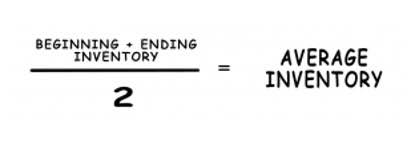
Divide the total inventory carrying costs by the average inventory value and multiply by 100. Demand forecasting is the process of predicting future consumer demand patterns and sales over a specific period. It uses historical sales data, market trends, and predictive analytics to minimize the risk of excess inventory and stockouts, reduce costs, and improve customer satisfaction. For example, a retailer might forecast demand for more coats in winter by studying internal data and external trends to know what type of coats will be in trend during the colder months. One of the most important aspects of managing inventory costs is knowing how to calculate the cost of inventory. The cost of inventory is the total amount of money that a business spends on acquiring, storing, and selling its inventory.

  • That background knowledge will help you as you move further into the world of inventory costs, and the importance of a solid understanding of inventory processes for any business.
  • Implement Gradual Changes rather than attempting comprehensive transformation simultaneously.
  • The cost of inventory affects the income statement, the balance sheet, and the cash flow statement of a business.
  • Improve demand forecasting – More accurate demand projections prevent overstocks and reduce risks of obsolescence.
  • However, if you only think about the price of your inventory, you have an incomplete picture of how much you’re spending to stock up.

Inventory costs example

Enhance demand forecasting accuracy by leveraging advanced analytics, historical data analysis, market trends, and customer insights. The problem often lies in failing to consider variables like seasonality, market trends, or economic shifts. A data-driven approach to forecasting can help businesses predict demand more accurately and avoid these pitfalls. Warehousing is one of the biggest contributors to carrying costs, so optimizing your storage can lead to major savings.

How to calculate inventory costs

Your inventory turnover (ITR) is the quantity of stock you sell over a particular period. The number needs to be balanced and you need accurate demand forecasting in place to make sure you don’t cause stockouts instead. Inventory carrying cost is a crucial metric that directly impacts a company’s profitability.