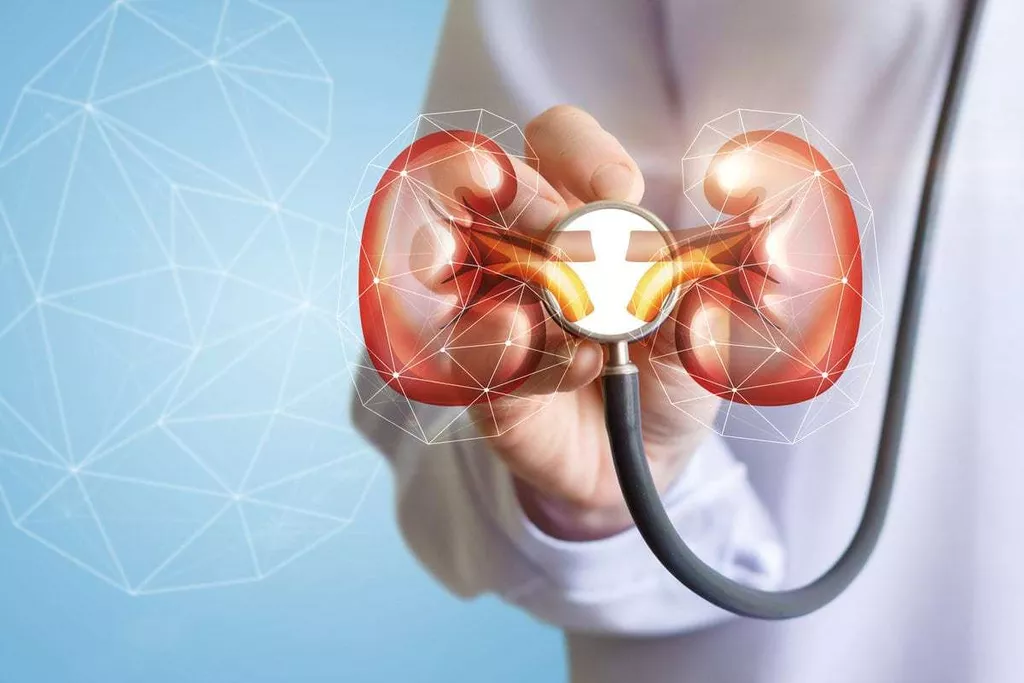
It’s important to drink water alongside alcohol to compensate for the dehydrating effects. Additionally, practicing moderation and being mindful of alcohol consumption can help minimize the risk of dehydration. However, no consistent theory exists on the extent of diuresis due to alcohol consumption. A study in Halfway house rats from 1968 has shown that the diuretic response to alcohol is directly related to alcoholic concentration 11. This would suggest that strong (distilled) alcoholic beverages may provoke more dehydration than weak alcoholic beverages. The US Institute of Medicine concluded in 2005 13 that the effect of alcohol consumption on increasing urine secretion is transient, and would not result in appreciable fluid losses.
Strategies to Counteract Alcohol-Induced Dehydration
By suppressing ADH, alcohol disrupts the normal mechanism of water reabsorption in the kidneys, causing excess fluid to be excreted as urine. As a result, you not only expel the fluids you consumed in the alcohol but also additional fluids from your body’s reserves, leading to dehydration. Alcohol has diuretic properties, meaning that it increases urine production and subsequently leads to fluid loss from the body. When alcohol is consumed, it inhibits the production of an antidiuretic hormone called vasopressin. Vasopressin plays a crucial role in regulating water reabsorption by the kidneys, helping to maintain proper hydration levels.
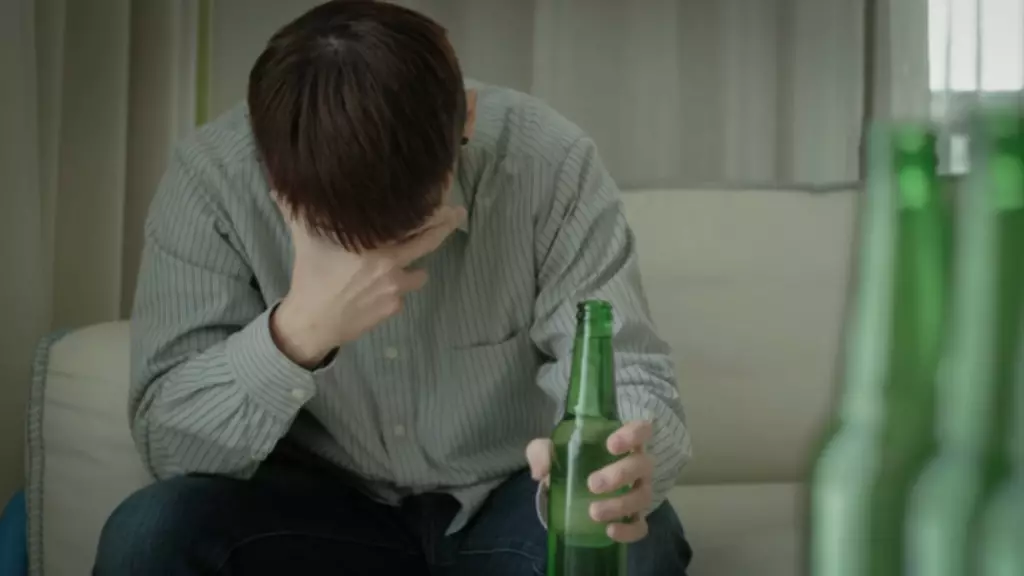
Should You Drink Water When You’re Drunk?
It’s up to you to decide if the pleasures of alcohol are worth the potential next-day effects. Before and after alcohol consumption, it is important to support liver function. BIOLYTE is a recover drink that contains natural ingredients that the liver uses to detoxify the body of harmful wastes. In addition, it contains N-Acetyl-L-Cysteine, a compound that the body uses to build antioxidants, repair cell damage, and protect the liver from alcohol.
Other risks of alcohol consumption
- Remember that list of things that makes alcohol-related dehydration worse?
- Excessive drinking also commonly causes vision changes, such as blurred vision, double vision, or difficulty focusing.
- This heightened respiration rate causes more water vapor to be exhaled from our lungs, resulting in fluid loss.
- As the night wears on, you may notice your cheerful feelings soon begin to shift to irritability, sadness, aggression, or anxiety.
- Finding the right supplements can be overwhelming with so many options on the market.
- Additionally, it’s important to be mindful of your overall alcohol intake and to drink in moderation.
The more you drink, the more pronounced this effect becomes, which can explain why you might wake up with a dry mouth and a headache after a night of heavy drinking. Electrolytes are essential minerals that help regulate fluid balance in our bodies. However, alcohol consumption can deplete these electrolytes, such as sodium and potassium, through increased urine production and sweating.
Effects of alcohol upon the muscles can include pain, swelling, and general muscle weakness. This can occur after only a single episode of binge drinking and it may take a week or more to fully recover. Studies show chronic heavy drinkers experience more significant muscle damage and loss. According to one study in the Journal of Alcohol and Alcoholism, one drink of alcohol can lead to a 2-4% increase in additional urine output. While it’s difficult to predict an exact timeframe, it typically takes 48 to 72 hours after drinking alcohol to resume ketone production and restart ketosis. By understanding how hydration works alongside alcohol consumption, you’ll be better equipped for future outings where drinks are involved.
Should You Drink Wine If You’re Thirsty?
Sodium and potassium concentrations were measured by V-Lyte IMT (Dimension Vista® 1500, Siemens Healthcare Global, Erlangen, Germany). An independent scientist who was not involved in the study took care of the randomization of the participants and treatment allocation. Block randomization was performed with SAS, v9.3 (Cary, NC, USA). No confounding factors were taking into account in the randomization because all participants received all beverages. Dehydration can also impact heart function, increasing the risk of heart attack or stroke, especially in people with pre-existing heart conditions. Alcohol-induced dehydration can also decrease reaction time, making it more challenging to respond quickly to unexpected situations, such as sudden stops while driving or avoiding obstacles.
- “If you are looking to find a drink that is less dehydrating, try choosing ones that you would enjoy over a longer period of time,” Richardson says.
- Follow drinking behaviors that are best for you, not what everyone else is doing.
- If these detectors reckon that you are dehydrated, they send a signal to the posterior pituitary gland, which starts pumping out ADH.
- It’s also wise to monitor your intake and choose lower-alcohol options when possible to minimize fluid loss.
- This can have a range of negative effects on overall health, including headaches, dizziness, fatigue, and reduced cognitive function.
The Science Behind Hangovers and Dehydration
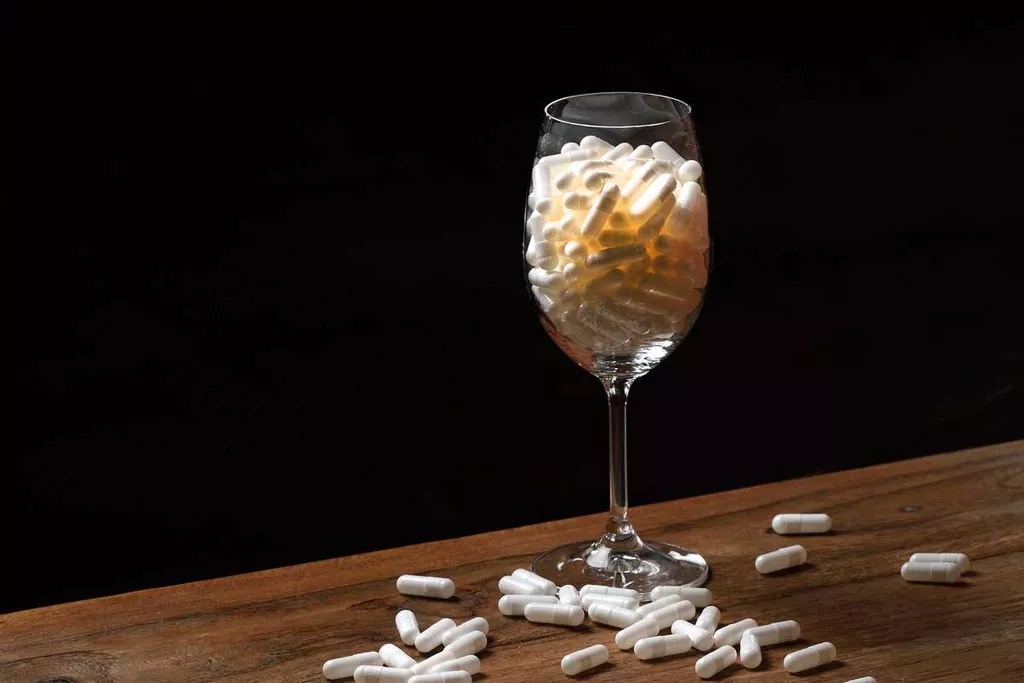
When we consume alcohol, our body’s electrolyte balance can be affected. Alcohol acts as a diuretic, which means it increases urine production and can lead to fluid loss. This can result in a decrease in electrolyte levels, potentially leading to dehydration. Alcohol affects fluid balance primarily through its impact on the kidneys. The kidneys regulate fluid levels in the body does wine dehydrate you by filtering blood and producing urine.
3.2. Sodium Concentration
When it comes to alcohol consumption, many people wonder, ‘Does alcohol dehydrate you? Alcohol is a diuretic, meaning it increases urine production and can lead to dehydration if not managed properly. However, there are ways to stay hydrated while drinking to mitigate the dehydrating effects of alcohol. So, how can we mitigate the dehydrating effects of alcohol and maintain our electrolyte balance? The key is to stay mindful of our alcohol intake and take proactive measures to support hydration.